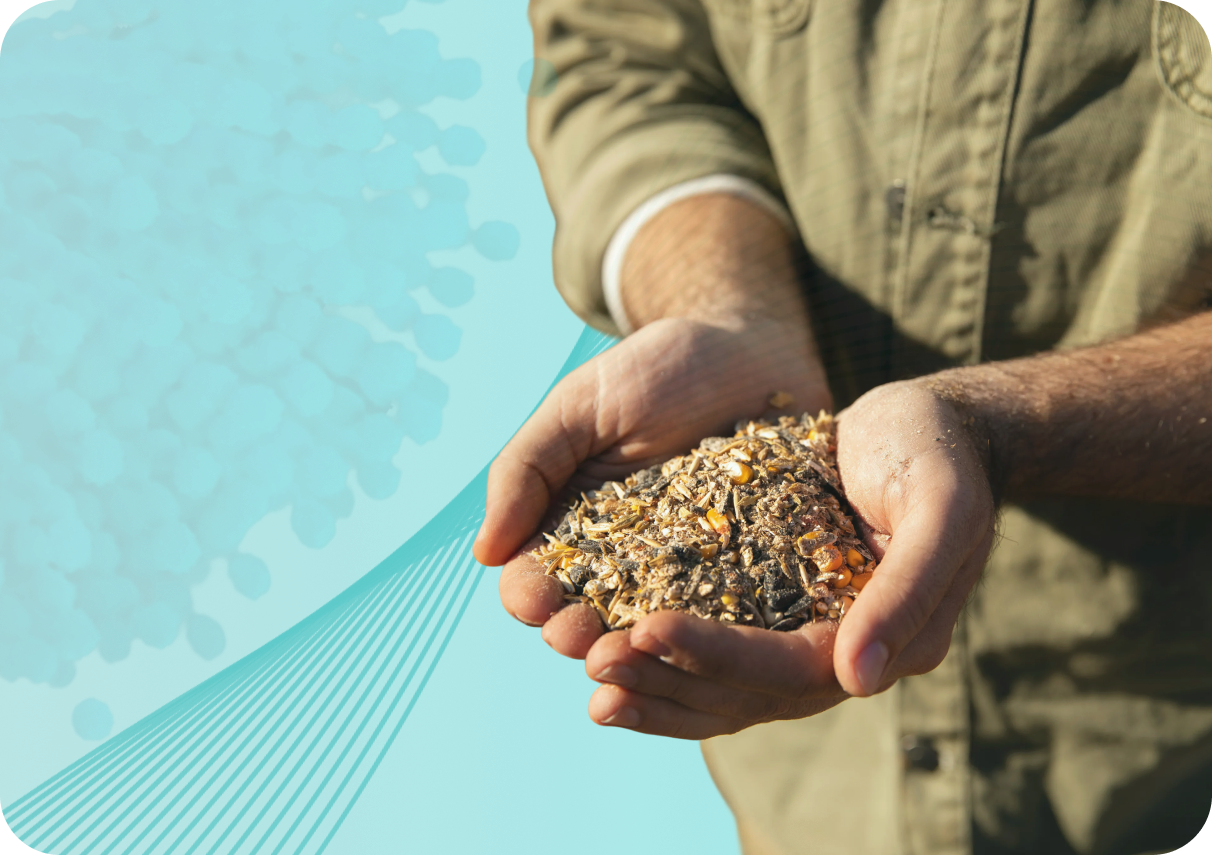
Feed quality directly affects the health and productivity of livestock. Even a carefully balanced diet can hide invisible risks — mycotoxins. These are toxic compounds produced by fungi.
How Mycotoxins Affect Animals
Such compounds have a noticeable impact on animal health: appetite decreases, growth slows down, immunity weakens, and reproductive performance worsens. In severe cases, this can even lead to increased mortality.
Mycotoxins primarily cause serious liver damage. They trigger hepatotoxic changes — fatty degeneration, focal lesions, alterations in tissue structure and color — and with prolonged exposure, may increase the risk of cirrhosis or even cancer.
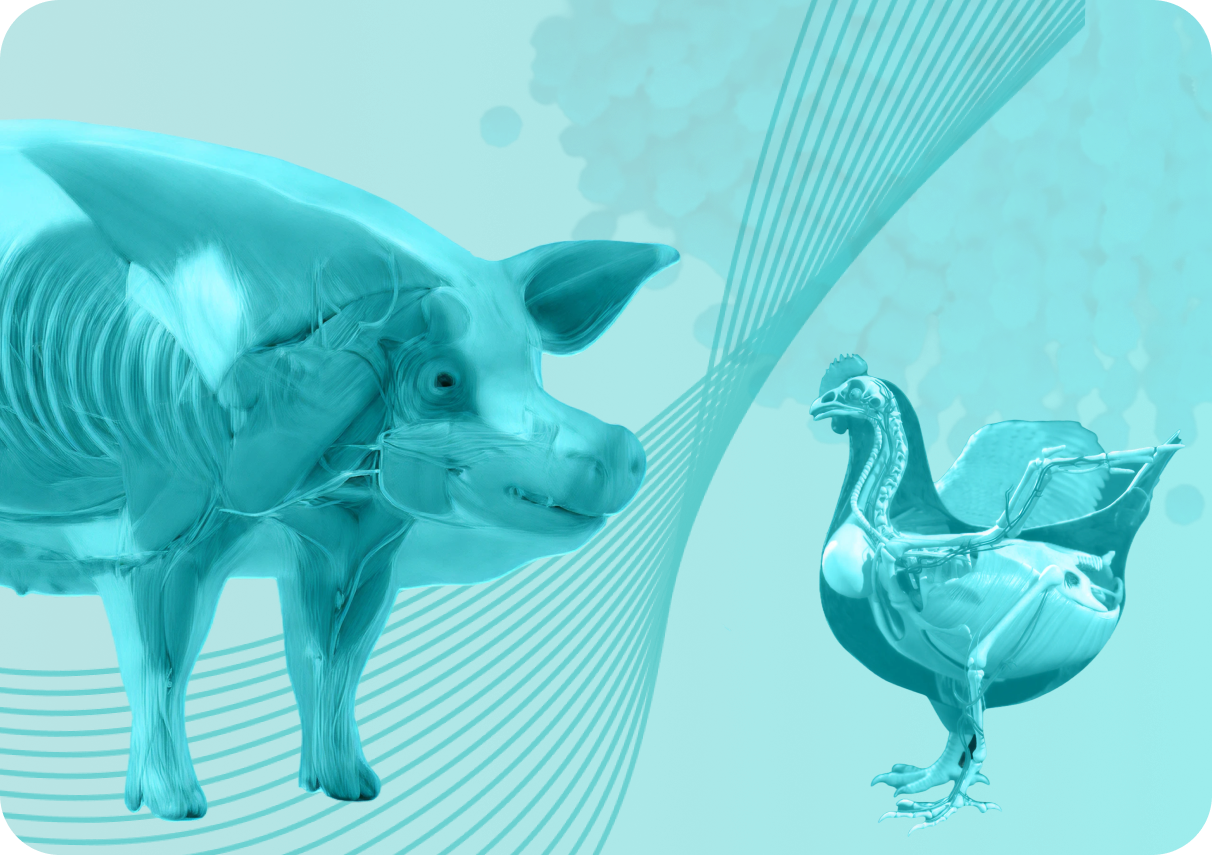
The degree and nature of the effect depend on the animal species: in cattle, milk yield and quality decrease; in pigs, growth is suppressed; in poultry, egg production declines.
High-Quality Feed Is Not a Guarantee
Even the best-quality feed can contain mycotoxins. They may appear as early as during crop growth due to unfavorable weather conditions, pests, or plant diseases.
And the risk doesn’t disappear after harvest: mycotoxins easily accumulate during improper drying, storage, or transportation — especially when the feed is exposed to moisture or prolonged air contact.
How to Control Mycotoxins
Mycotoxin control is not a one-time action but a systematic approach. It includes proper storage, regular monitoring, and the use of special adsorbents — for example, UNIXORB.
UNIXORB by AGROSUPPLY is a product that helps bind, retain, and remove all major types of mycotoxins from the body — including aflatoxin, ochratoxin, zearalenone, and others. As a result, animals stay healthy and maintain a strong immune system.
Its effectiveness has been confirmed by independent laboratory studies and numerous tests: adsorption of key mycotoxins exceeds 98% under various gastrointestinal conditions.
However, it’s important to understand that simply “binding the toxin” is not enough. It’s essential to also use mold inhibitors, maintain strict hygiene standards, and keep moisture levels as low as possible.
This way, you’ll ensure not only safe feed but also healthy, productive animals — the most important investment in the stability of your farm.